

TunApatite
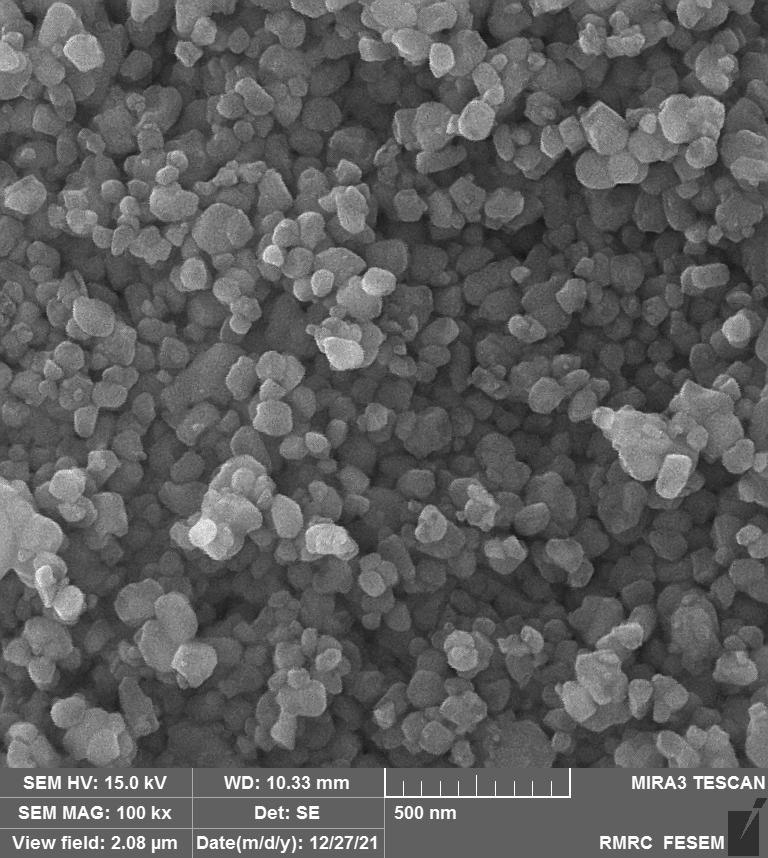
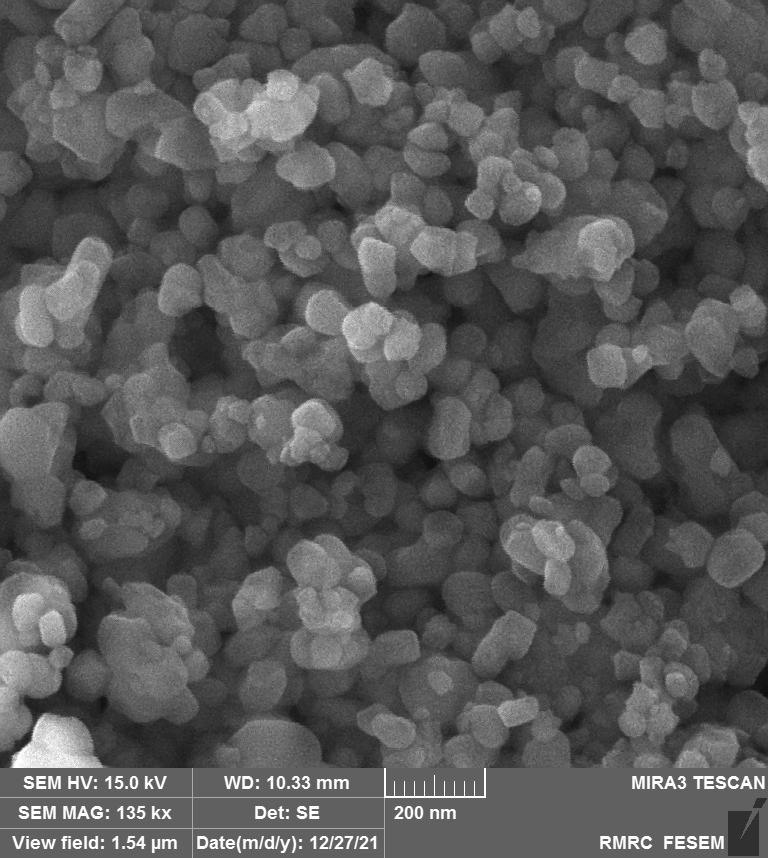
Hooman Tajhiz Azma Iranian Company has utilized domestic technical expertise and advanced equipment, while engaging professionals in medical engineering, pharmaceuticals, and chemical industries. As a result, we have successfully developed hydroxyapatite powder under the brand name TunApatite. This hydroxyapatite is derived from natural sources, specifically animal bones, ensuring a high level of purity suitable for cosmetic applications. Additionally, the product has obtained the necessary licenses from Iran’s Food and Drug Administration in the field of cosmetics and hygiene. Its physical and chemical properties adhere to the standards set by the European Pharmacopoeia and meet the microbiological requirements of the country. Moreover, Hooman Tajhiz Azma Iranian Company is capable of manufacturing and supplying the product in either nano or micro dimensions based on customer specifications.
Hydroxyapatite
Calcium phosphates are a group of substances containing calcium and phosphate ions in their structure. Among them, hydroxyapatite stands out as the most stable form of calcium phosphate found in the human body’s physiological conditions. Its resemblance to the composition and structure of human hard tissues has made it widely utilized in the medical field as a bioceramic. The exceptional similarity of hydroxyapatite to the mineral component of bones and teeth has resulted in its high biocompatibility and bioactivity, enabling it to form direct chemical bonds with hard tissues. This valuable bioceramic finds application in various medical fields, including tissue engineering, drug delivery, coating orthopedic and dental implants, and bone cements. It has garnered global recognition, with numerous commercial products registered worldwide, including in Iran.
Background of Hydroxyapatite
Hydroxyapatite from astronaut teeth to your teeth
In the realm of oral and dental care, and specifically in the production of toothpastes, there has been a significant development involving the utilization of hydroxyapatite. NASA, in 1970, was the first to introduce this substance to toothpaste with the objective of preventing tooth decay resulting from the effects of weightlessness experienced by astronauts. Subsequently, further research has been conducted to examine its efficacy in enhancing the remineralization process, as well as its antimicrobial attributes and ability to alleviate tooth sensitivity. Consequently, hydroxyapatite has gained significant prominence as a fluoride substitute in toothpaste formulations.
?How can hydroxyapatite replace fluoride
Hydroxyapatite possesses different abilities in comparison to fluoride in toothpaste, offering distinct advantages:
Safety and non-toxicity
Toothpastes containing hydroxyapatite generally do not have any harmful effects on the body, ensuring its safety for use.
Preservation of beneficial oral bacteria
While fluoride does not possess this attribute, hydroxyapatite’s antimicrobial properties help maintain the presence of beneficial oral bacteria, thereby contributing to oral health.
Benefits of hydroxyapatite-based toothpaste over fluoride
1.Dental remineralization
Hydroxyapatite can effectively bind with tooth enamel, aiding in the replenishment of areas where enamel is worn out or demineralized. This process promotes the restoration of enamel strength, hardness, and resistance to decay and damage.
2.Reduction of severe dental sensitivity
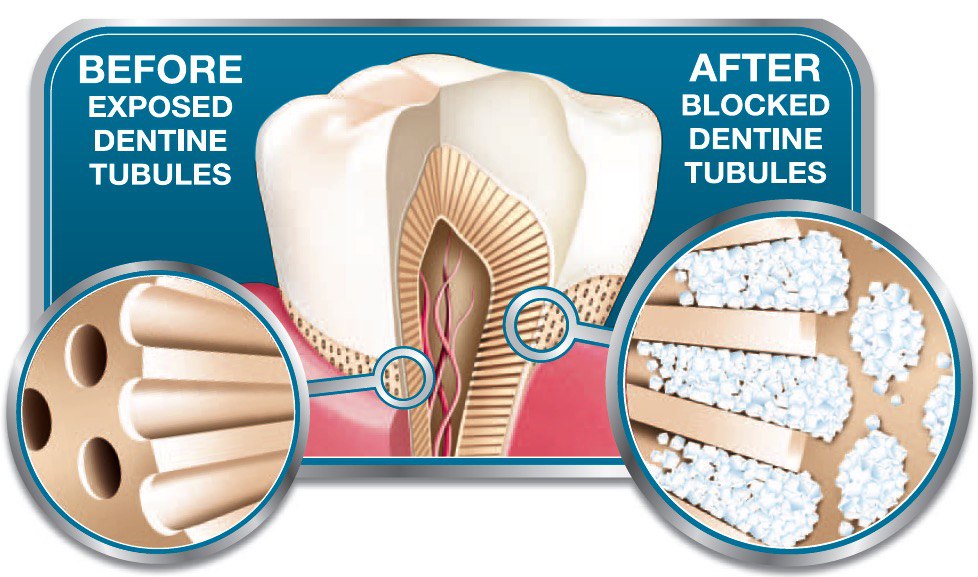
Hydroxyapatite acts by blocking the dental tubules present in dentin, resulting in the alleviation of severe tooth sensitivity.
3.Regulation of oral biofilm
Hydroxyapatite contributes to the control of oral biofilm through two mechanisms:
Adhesion to oral bacteria without compromising the beneficial bacteria, preventing their excessive accumulation in the oral cavity.
Binding to bacterial receptors, reducing the available binding sites and thus contributing to biofilm adjustment.